Common mistakes we make while handling pets and how to avoid them
Making your
pets feel at home
Adopting
a pet is exciting, especially if you don’t have that much experience in handling
pets. It opens a whole new world of love
and care for an animal like no other.
Getting
your first pet, and handling them for the first time, gives you a significant
lifestyle change and comes with many challenges of its own.
They
may make your life challenging if you don’t offer them with regular direction,
consistent training, and enough exercise.
While
having a furry buddy in your life is a delight, handling pet, also comes with a
level of responsibility. Because animals cannot care for themselves, you are
solely responsible for their health, happiness, and well-being.
It’s
not always simple when it comes to handling pets to live their best life as a
pet owner. Regardless of whether you have a dog or a cat, they may as well be
considered one of your children, and you must undoubtedly spoil and care for
them.
However, because your pet is so important to
you, it must be in good health
Why pets need
our care
Having
a pet can be great for our health. Animals are always happy and lighthearted,
and they always make us laugh.
Additionally,
they teach us how to be kind and empathetic, to love unconditionally, and to
enjoy life to the fullest. A dog in the right home is like an extension of the
owner: they take care of their owner and care for each other.
If
you have a dog, he becomes your partner, and you're not just a slave to your
cellphone anymore. However, we also need to remember that we have to give our
pets a chance to live their best lives. they require a lot of love and care.
If
you don't provide them with constant guidance, consistent training, and
sufficient exercise, with proper animal handling techniques they can make your
life quite difficult and make it bad to describe your experience handling pets.
10 proper ways
of handling pets
1. Trips to the vet/ Skipping regular
checkups
Cats and dogs have adapted to disguise pain and
sickness by putting on a brave front. Unfortunately, that implies that they're
in agony when you discover something is wrong and can't disguise it any longer.

Your veterinarian is qualified to recognize the
subtle signs of a disease or sickness. Minor symptoms, such as changes in
breathing, heart rate, eyes, and even tiny swellings, can be detected during
regular wellness checkups by your veterinarian. Veterinarian are pros in handling
pet.
Veterinary checkups regularly can help your pet
enjoy a long, healthy, and happy life. Annual or biannual checkups catch
growing health concerns early and help you extend your pet's life with you.
Early identification and action allow your
veterinarian to treat a disease in its early stages, then control it with
medication or simple lifestyle modifications.
Your veterinarian can also provide you advice
on how to assist you in handling pet in living the healthiest life possible and
avoiding medical problems.
How to avoid: Schedule your calendar
accordingly, to plan for vet visits. Make sure you're your pet's checkups are
regular.
2. Not prioritizing training/ lack of
physical exercise
Consult your veterinarian before beginning an the exercise regimen for efficient handling
pet.
Schedule an appointment with your veterinarian
to determine how much and what sort of exercise your pet need.

Pets require exercise for a variety of reasons,
in addition to the health benefits. It encourages them to expend energy, making
it simpler for them (and you!) to get a good night's sleep.
Exercising a pet's brain can also be
beneficial. That is why many animals like sports such as chasing a ball. Games
allow them to exercise both their muscles and their minds.
Even
indoor games provide pets with the daily dose of mental and physical stimulation
needed to keep themselves healthy.
How to avoid: Set some time aside every day to
give your pets some exercise. Providing your pet with all your attention during
this time will also increase your bonding and gets you closer to your beloved
pet.
3. Avoiding socialization
One of the common mistakes dog owners make is
not socialize their dogs enough. Dogs are very social animals. They know it
when they receive love, and they are masters of reciprocating it back.
A dog who hasn't been exposed to good new
experiences is more likely to be terrified of anything unfamiliar.
That garbage bag blowing in the air or the
garden statuary at the edge of a neighbor's yard may be enough to make the dog
flee.
Fear frequently masks aggression, so even if a the reactive dog appears to be attacking in an aggressive manner, it's conceivable
that the display is based on fear.
A dog who was never introduced to handling
activities as a puppy is likely to be fearful of grooming since it never learned
that a comb isn't a torture weapon.
That makes basic husbandry, like nail clipping
and tooth brushing, challenging, if not impossible.
How to avoid: Dogs can only stay sociable if they
are constantly introduced to new people.
Continued positive interactions with strangers
reinforce the concept that strangers are good news in your dog's head.
Dogs can only stay sociable if they are
constantly introduced to new people. Continued positive interactions with
strangers reinforce the concept that strangers are good news in your dog's
head.
Make an effort to avoid walking the same path
every day. Allow your dog to explore a range of surroundings, including
sidewalks and gravel roads.
This will give much-needed cerebral stimulation
for your developing canine.
4. Not getting pet insurance
Life is unpredictable enough already, but when
you have a pet, it just takes it to another level. Not having a pet insurance
might make a huge hole in your wallet in the time emergency.
To properly engage yourself in handling pet. That
is why it's always advised to be prepared. In fact, according to recent
research1 from insurance market specialists Consumer Intelligence, more than
half of pet owners think that not having insurance is too dangerous given the
possible expenses of treatment.
Despite worries about the many plans offered
and the terms and circumstances, 53 percent of those polled believe not ensuring
their pet is too much of a worry.
Around two-fifths of pet insurance clients
(41%) perceive plans to be perplexing.
How to avoid: Get a pet insurance with a
trusted company as soon as possible. This gives you a plus when it comes to
handling pet and your pet the advantage and courage to face any problems that
may arise.
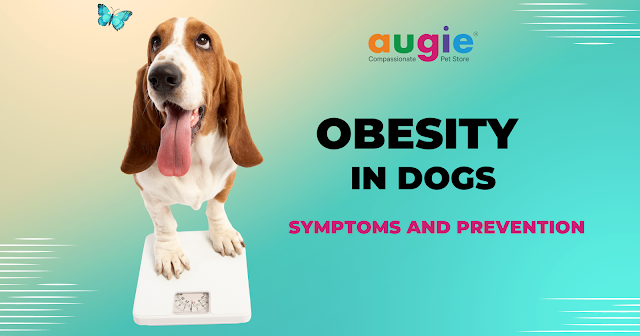
5. Overfeeding
When you overfeed your pet, there are both
short- and long-term risks.
According to Banfield's Applied Research, one
in every three cats and one in every four dogs is fat.
Heart disease, arthritis, and diabetes are all
connected to these illnesses if their weight is not adequately managed.
As a dog owner, it is your obligation to keep
track of your pet's health and responsibility in handling pet because it lacks
the ability to reason. You want your pet's quality of life to be as good as
possible, and you are free to seek professional pet health guidance.
They are unable to engage in physical activity,
such as playing or exercising. As a result, you must do all possible to prevent
them from being ill.
How to avoid: When it comes to food, a dog's
size, age, exercise level, and medical problems should all be considered.
It's difficult to keep a dog's diet under
control if they get a lot of goodies or eat your leftovers every day.
Dogs are opportunistic feeders, meaning they
will eat more than they require if given the chance, viewing food as a valuable
resource.
6. Overlooking TICKS
When it comes to handle how
to handle a dog,
one of the most important things we need to know about is ticks! Ticks usually
lead to ear canal infestations can cause significant discomfort in both dogs
and humans.
These ticks' toxins have the potential to
paralyze you. There have been reports of secondary infections caused by larval
screwworms.
Q fever, tularemia, Colorado tick fever, and
Rocky Mountain spotted fever are all transmitted by Otobius megnini ticks.
Ticks may be found all over the world. Some
tick species feed on specific animals, whereas others prey on a wide range of
animals, including people.
Depending on the species, blood-sucking behavior
differs. Ticks may go for months or even years without eating if the conditions
are right.
How to avoid: Handling pets with ticks can be
tricky, the most efficient approach to prevent tick exposure is to keep animals
away from tick-infested regions.
Ticks prefer certain microhabitats, such as
long grass or the transition between forested and lawned regions. Tick numbers
are reduced when these microhabitats are destroyed.
Trimming
plants and removing tall grass and weeds can help safeguard your animal. Ticks
can be reduced partially by treating plants with insecticides.
7. Not spaying/neutering
When you get a pet, there is a procedure called
Spaying/Neutering that is usually done to make your pets infertile. It helps to
reduce the population of dogs and help you in properly handling pet.
India alone is said to have a stray dog
population of 30- 40 million, and many of these dogs are not given proper
treatment.
Male dogs' testicles (or gonads) are removed
during neutering, a de-sexing surgery.
Castration refers to the removal of a male
dog's testicles, whereas spaying refers to the sterilization of a female dog.
The ovaries and uterus of a female dog are
removed in this procedure, which is known as an ovariohysterectomy.
Advantages:
·
Spaying
your female dog will prevent periods of her being in heat.
·
Spaying
your dog prevents your female canine from getting pregnant.
·
Whether
intentionally or accidentally, Breeding can become a significant financial and
time-consuming burden for dog owners, which also comes with health risks and
responsibilities.
·
Paying
your dog will eliminate the risk of your female dog developing cancer of her
uterus, cancer of ovaries, or reproductive tract.
When these organs are removed, you will have fewer things to worry about
regarding your dog's health.
8. Misinterpreting body language
Actions like tail wagging are usually
interpreted as happiness. Unfortunately, it may not always be the case.
Sometimes dogs stiffen their tail and move it
back and forth to show aggression. Similarly, dogs bare their teeth and growl
when they're feeling aggressive, scared, or defensive, but it's also totally
normal body language for them to express a play growl, too.
Eye contact might signify different things
depending on the human and the dog, like in the prior case.
Humans should avoid making eye contact with
puppies they have recently met as a general rule. This nonverbal communication
might be regarded as a threat.
Dogs, on the other hand, are known to make eye
contact with their owners when they wish to communicate.
They'll even look into the eyes of someone they
trust with affection. Yawns aren't just for when dogs are sleepy.
Surprisingly, the reverse is true. When our
dogs are worried, confused, or agitated, they frequently yawn.
They can also expand their jaws wide in
anticipation of an exciting event, such as a stroll or a vehicle ride. When
meeting new people, dogs yawn as a non-threatening soothing gesture.
How to avoid: Educate yourself! The very first
step to buying/adopting a pet is educating yourself about behavioral patterns
and basic dog handling techniques. The more you know, the better you get at
handling pet. Its also very important to familiarize yourself with safety tools
when handling animals.
9. Feeding your cats milk/only
vegetarian food
Surprisingly enough, some cats, like people,
have trouble digesting lactose, a milk sugar present in dairy.

This is because the only period in a cat's life
when its body contains enough of the enzyme lactase to digest lactose
effectively is when it is born and in its early years. This allows the cat to
drink its mother's milk. Following that, lactase production decreases,
potentially leading to increased digestive complications.
Cats, unlike humans, cannot thrive on a
vegetarian diet. Humans are omnivores, meaning we can eat both meat and
vegetables, but cats are obligate carnivores, meaning they must consume meat to
survive (or at least thrive).
As a result, unlike humans, cats do not acquire
much nourishment from veggies.
How to Avoid: Make sure your pet gets a
balanced diet it is the most important step in handling pet. Canines need meat
to survive. A good quality cat food will contain all the essential nutrients to
feed your cat and keep it healthy.
10. Physically punishing pets
When
you use punishment, it's simply to halt the conduct while you're around.
In
fact, the pet may rapidly learn that when you are not around, the conduct does
not result in punishment, and may fast learn to stop while you are present and
resume when you are not.
Mild
reprimand (pushing away, eye contact, talking to the dog) is interpreted by
some pets as a kind of attention, reinforcing the undesired behavior.
Another
major worry is that using physical punishment (striking, jabbing, pinning,
rolling over, or seizing the pet's collar) may inflict unnecessary suffering
and increase the pet's anxiety level when approached in the future in a similar
fashion. It is one of the most common mistakes at pet.
How
to avoid: Instead of penalizing what is undesired, training should focus on
teaching the pet the desired reaction to get better at handling pet.
Distraction
(such as a loud noise, hand clapping, or a "no") and redirection to a
more acceptable activity is the greatest response if you observe your pet
indulging in undesired behavior. Describe your experience handling
pet.
Some
concluding pointers
·
Taking
your pet regularly to the vet is necessary!
·
A
proper diet gives a healthy pet
·
Learn
more about the behavioral pattern before getting a pet
·
Don't
feed your adult cat milk
·
Spaying/neutering
your dog will give you and your dog a peaceful life.
How can Augie help you?
We have an ideal mix of Products and Services that can aid you in your efforts to take care of your pets. We work with different pets viz. Dogs / Cats / Other pets
You can reach out to us and we can aid you. Looking forward to working with you
Have a great Day
Ahead!!
.jpg)
.png)
Comments
Post a Comment